Loading...

Biological Sciences

By

ACT’s four-year BS program in Biological Sciences is the culmination of its 15-year past experience in developing and delivering STEM curriculum in collaboration with leading American educational institutions, such as Northeastern University and Washington University. This degree provides graduates with a solid foundation of scientific knowledge from the molecular to the ecosystemic level, but also equips them with practical laboratory experience and research skills which are essential and valuable in a wide range of advanced studies or employment options.

The program is delivered face-to-face, in Full-Time or Part-Time mode. Minimum duration: 4 years. For fee information, please refer to the student handbook.

Undergraduate programs at Anatolia have transitioned to the newly established Anatolia American University. ACT is no longer accepting new inquiries for Undergraduate Studies.

If you are interested in pursuing an undergraduate degree, please visit the official program page at our new university website:

Visit Anatolia American University 

More

Why Study Biological Sciences at ACT

By

ACT’s four-year BS program in Biological Sciences is launching as a culmination of its 15-year past experience in developing and delivering STEM curriculum in collaboration with leading American educational institutions, such as Northeastern University and Washington University. This degree will provide graduates with a solid foundation of scientific knowledge from the molecular to the ecosystemic level, but also equip them with practical laboratory experience and research skills which are essential and valuable in a wide range of advanced studies or employment options.

  • Be exposed to the breadth of biological sciences, reflecting the interdisciplinary nature of modern biology.
  • Gain a solid foundation to the scientific concept necessary, and train with the latest technological tools used in the field and in research.
  • Receive hands-on education and teaching by a highly qualified faculty made up of academics and scientists with years of research experience.
  • Learn to conduct your own research, design and execute scientific investigations, analyses and interpret data, and effectively communicate your findings.
  • Experience science in ACT’s state-of-the-art labs: the General & Organic Chemistry Lab, the Biology & Microbiology Lab, the Physics Lab, as well as the Computer Labs, fully equipped for all your needs.

More about the labs

The labs at ACT are equipped with state-of-the-art laboratory instruments and devices in order to carry out molecular, biochemical and physiological analyses. These include qualitative and quantitative determination of gene expression, study of metabolic pathways and investigation of physiological parameters under stressful conditions. The laboratory facilities give students access to an impressive array of technologies, equipment, and apparatuses. Combined with the expertise of the faculty members who run the labs and carry out numerous research projects, students have the space and support to grow scientifically and become part of a flourishing academic community.

Did you know that at ACT you can...

  • Combine your Biological Sciences major with a minor from another division or discipline, building a CV that will give you the competitive edge in today’s market.
  • Follow the program in parallel with your studies at the Greek public university thanks to the flexibility of the American educational system at ACT, graduating with an additional degree in less time.
  • Begin your studies in September, but also in January!
More

Program Courses

By

Brief Description

In the face of global challenges such as climate change and environmental management, population growth and food security, and biotechnology and human health, the Biological Sciences have never been more important. Recent discoveries in the field have advanced at breathtaking speeds with beneficial outcomes for mankind. 

ACT’s four-year BS program in Biological Sciences is the culmination of its 15-year past experience in developing and delivering STEM curriculum in collaboration with leading American educational institutions, such as Northeastern University and Washington University.

This degree provides graduates with a solid foundation of scientific knowledge from the molecular to the ecosystemic level, but also equips them with practical laboratory experience and research skills which are essential and valuable in a wide range of advanced studies or employment options. 

Degree Requirements

In order to receive the BS degree, the student must have fulfilled all the GEP and major requirements and have completed at least 124 US credit hours with an overall G.P.A of 2.0 or better. All Biological Science majors must complete a two-semester course sequence: Thesis I and Thesis II. According to NECHE Standards, students must complete at least one fourth of their undergraduate program, including advanced work in the major or concentration, at the institution awarding the degree. As a consequence, all candidates for an ACT degree must have been in residence at the College for at least during the last two semesters of full time instruction, assuming availability and equivalency of transferable courses.

Open University degree structure

The program in Biological Sciences is currently validated by Open University: under this scheme, 19 are out of the 36 courses (360 UK credits) required for the Bachelor degrees are validated by Open University. Students must necessarily take the fourth year courses at ACT. Successful students will receive a Bachelor’s degree from Open University in addition to the ACT degree for a single course of studies by meeting the following common set of requirements (in addition to meeting General Education Requirements)—courses highlighted in bold are validated by Open University. For more information, check the student handbook. The OU Regulations can be found here.

Biological Sciences Requirements

  • Anatomy and Physiology 115: Integrated Human Anatomy and Physiology I (OU)
  • Anatomy and Physiology 116: Integrated Human Anatomy and Physiology II
  • Biology 112: Principles of Biology (OU)
  • Biology 113: General Biology 2 (OU)
  • Biology 201: Foundations of Microbiology (OU)
  • Biology 230: Genetics and Molecular Biology (OU)
  • Biology 299: Inquiries in the Biological Sciences
  • Biology 320: Biochemistry (OU)
  • Biology 330: Cell Biology and Histology (OU)
  • Biology 350: Microbiology and Infectious Diseases (OU)
  • Biology 410: Principles of Epidemiology and Public Health (OU)
  • Biology 420: Environmental Health and Toxicology (OU)
  • Biology430: Biotechnology Principles and Applications (OU)
  • Biology 450: Immunology (OU)
  • Biology 493: Thesis I (OU)
  • Biology 494: Thesis II (OU)
  • Chemistry 117: Chemistry for Biological Sciences (OU)
  • Chemistry 215: Organic Chemistry I (OU)
  • Chemistry 216: Organic Chemistry II (OU)
  • Computer Science 105: Introduction to Programming I
  • Mathematics 120: Calculus I for Science and Engineering
  • Philosophy 310: Bio Ethics
  • Physics 120: University Physics I, for Science and Engineering
  • Psychology 101: Introduction to Psychology
  • Statistics 211: Statistics with R (OU)
  • Nutrition 130: Fundamentals of Human Nutrition (OU)
  • Biology 400: Senior Seminar
  • One Free Elective
  • Practicum 300 - Internship (Optional)

Senior Seminar (topics)

  • Topics in Community health
  • Topics in Development and Differentiation
  • Topics in Evolutionary Medicine
  • Topics in Human Genetics
  • Topics in Immunology
  • Topics in Neuropathological Mechanisms
  • Topics in Pharmaceutical Chemistry
  • Topics in Social Medicine

General Education Requirements (GER)

In addition to the above major courses, student must complete the following GER courses

  • Economics 101: Introductory Macroeconomics
  • English 101: Composition I
  • English 102: Composition II
  • English 204: Business/Professional Communication
  • History 120: The Modern World
  • One Art course from (English 120: Introduction to Literature or Art 120: Art Appreciation: Principles of Design or ART 130: Introduction to Photography from Analog to Digital Era, or Music 120: Traditional and Contemporary Greek Music).
  • Philosophy 101: Introduction to Philosophy and Critical Reasoning
  • Politics 101: Contemporary Politics

Suggested Program of Studies

Year One

  • Biology 112: Principles of Biology (OU)
  • Biology 113: General Biology 2 (OU)
  • Chemistry 117: Chemistry for Biological Sciences (OU)
  • Mathematics 120: Calculus I for Science and Engineering (GER)
  • CSC 101: Digital Literacy or CSC 105: Introduction to Programming I – Structured Programming (GER)
  • English 101: Composition I (GER)
  • English 102: Composition II (GER)
  • English 204: Business/Professional Communication GER
  • Nutrition 130: Fundamentals of Human Nutrition (OU)
  • Physics 120: University Physics I, for Science and Engineering
  • One Art course from (English 120: Introduction to Literature or Art 120: Art Appreciation: Principles of Design or ART 130: Introduction to Photography from Analog to Digital Era, or Music 120: Traditional and Contemporary Greek Music).

Year Two

  • Anatomy and Physiology 115: Integrated Human Anatomy and Physiology I (OU)
  • Anatomy and Physiology 116: Integrated Human Anatomy and Physiology II
  • Biology 201: Foundations of Microbiology (OU)
  • Biology 230: Genetics and Molecular Biology (OU)
  • Biology 299: Inquiries in Biological Sciences
  • Statistics 211: Statistics with R (OU)
  • Politics 101: Contemporary Politics (GER)
  • History 120: The modern world (GER)
  • Psychology 101: Introduction to Psychology (GER)

Year Three

  • Biology 320:  Biochemistry (OU)
  • Biology 330: Cell Biology and Histology (OU)
  • Biology 350: Microbiology and Infectious Diseases (OU)
  • Chemistry 215: Organic Chemistry I (OU)
  • Chemistry 216: Organic Chemistry II (OU)
  • Economics 101: Introductory Macroeconomics (GER)
  • Philosophy 101: Introduction to Philosophy and Critical Reasoning (GER)
  • Philosophy 310: Bio Ethics (GER)

Year Four

  • SNCB 400: Senior Seminar
  • Biology 410: Principles of Epidemiology and Public Health (OU)
  • Biology 420: Environmental Health and Toxicology (OU)
  • Biology 430: Biotechnology Principles and Applications (OU)
  • Biology 450: Immunology (OU)
  • Biology 493: Thesis I (OU)
  • Biology 494: Thesis II (OU)
  • Free Elective
More

Minor in Biological Sciences

By

Brief Description

Students pursuing a degree in a field other than a BS in Biological Sciences, can earn a minor in Biological Sciences by completing the following six course requirements.

Minor Requirements

  • Biology 112: Principles of Biology
  • Biology 113: General Biology 2
  • Chemistry 117: Chemistry for Biology
  • Anatomy and Physiology 115: Integrated Human Anatomy and Physiology I
  • SNCB 201: Foundations of Microbiology

One course from the following

  • Biology 230: Genetics and Molecular Biology
  • Biology 320: Biochemistry
  • Anatomy and Physiology 116: Integrated Human Anatomy and Physiology II
More

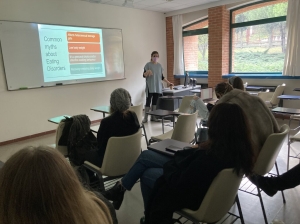
Dr. Lorena Georgiadou invited guest speaker for ACT’s lecture on “Eating Disorders”

Dr. Lorena Georgiadou, IB Psychology Instructor at Anatolia High School was a guest speaker at ACT’s Psychology 218: Clinical Psychology I: Psychopathology and PSY 340: Psychology of Addiction courses in the undergraduate program of psychology.

Dr. Georgiadou offered a glimpse into understanding eating disorders and especially, anorexia nervosa, bulimia nervosa, and binge eating disorder by presenting the medical and behavioral complications that clients/patients may experience and by addressing all the underlying concerns of an eating disorder in order to prevent relapse and achieve long term recovery. She also took students inside the psychology of an eating disorder through a case study of a female who shared her lived experience with an eating disorder which students found fascinating. The guest lecture took place on November 23th at ACT’s Stavros Konstantinidis Hall. Students from both PSY 218 and PSY 340 classes attended the lecture and the guest speaker offered a Q & A session afterward.

The Psychology Department extends our special thanks and appreciation to Ms. Maria Akritidou, Head of Department of Counseling and Psychological Services of Anatolia High School for continuing to support the synergies between Divisions.

More

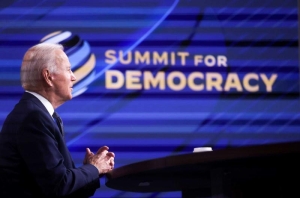
Dukakis Center live-blogs Summit for Democracy

On December 9-10, 2021, US President Joe Biden hosted a virtual Summit for Democracy for leaders from government, civil society, and the private sector.

The Dukakis Center for Public Service at ACT followed the summit and offered running commentary on the key moments of the proceedings. “The Joy of Politics” hosted the live-blog, which covered sessions from Day Zero and the two actual days of the summit.

Among the topics covered on Day One were democratic resilience, the media, and corruption. Greek Prime Minister Kyriakos Mitsotakis spoke on Day One, along with several other heads of state and government. New Zealand’s Jacinda Ardern delivered stirring remarks later in the day.

Day Two featured a special session on the interaction, positive and negative, between technology and politics.

Two sessions featured interaction among youth leaders from countries around the world.

The Summit is one of the cornerstones of the foreign policy of the Biden Administration. President Biden highlighted the urgency of the moment in his opening remarks: “The data we are seeing is pointing in the wrong direction… This is the defining challenge of our time.”

Secretary of State Antony Blinkin was similarly insistent, warning “We have seen a democratic recession in recent years.” Both highlighted that the Summit was meant to be, in President Biden’s words, “a kick-off to a year of action.”

The Summit inspired criticism from multiple corners, both within the US and abroad. The People’s Republic of China mounted a concerted campaign claiming that it, too, was a democracy, lambasting President Biden for hosting the event, and critiquing the track record of American democracy.

Washington Post columnist E.J. Dionne countered “The most important thing about the summit is that it’s happening.”

The blog solicited the views of ACT students past and present on the meaning of democracy. As Dimitris Moulas wrote, “if a government can esteem their citizen’s values and rights, only then can they be defined as a democratic system.”

Mette Frederiksen, Prime Minister, Kingdom of Denmark, articulated this memorable statement, “Democracy is not just a system of government, it is a way of life.”

The Dukakis Center will host a mini-summit for democracy in January 2022 as part of the annual Thessaloniki Civil Society Forum.


More

INGAME Transnational Partner Meeting in Salamanca, Spain

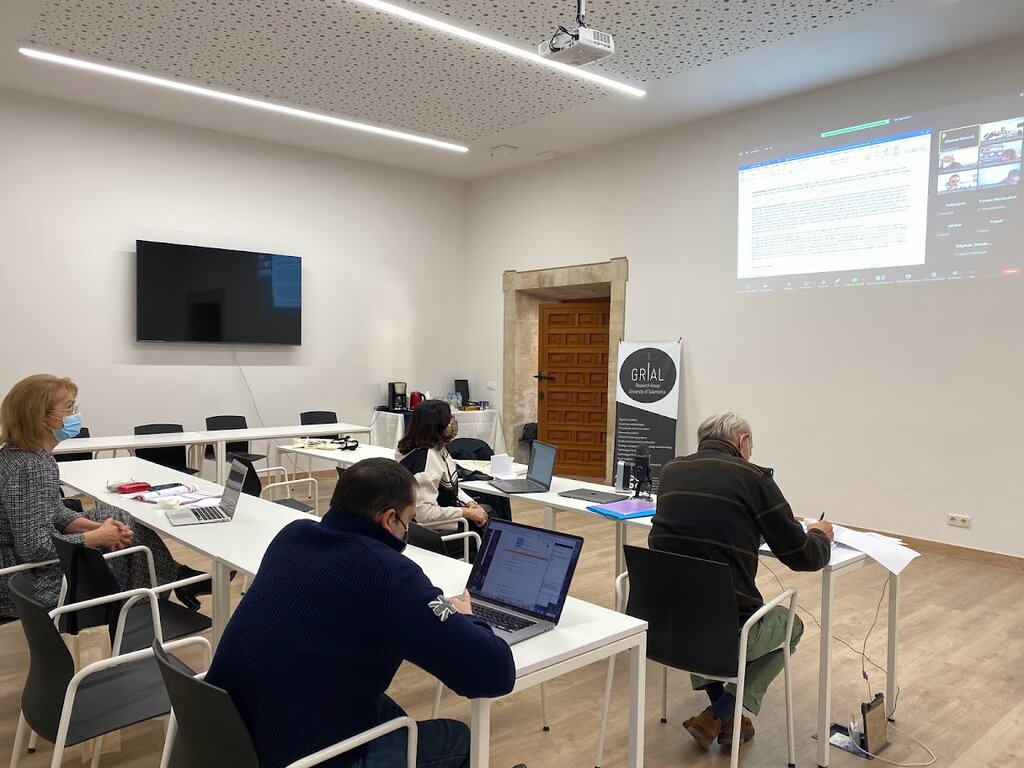
How can a game promote civic participation and social inclusion? Partners from nine organizations (academic, research, and non-governmental institutions) and eight EU countries met on the 18th and 19th November in a hybrid meeting at the University of Salamanca, the lead partner of the INGAME consortium, to work on the development of this EU funded Erasmus+ Project, for which Anatolia College is a partner.

InGame

As the meeting was blended (face-to-face and online) and Dr. Maria Kyriakidou, Chair of the Division of Humanities and Social Sciences at ACT, was in Salamanca while Dr. Maria Patsarika, the other ACT researcher on the project, was present online. Partners during this two-day meeting presented all the work packages of the project and in particular the educational design and narrative of the game levels as well as the digital play environment and coding, the capacity building training and pilot testing plans, quality assurance, and dissemination progress. The consortium planned the next activities and follow-up events.

To find out more, please follow the project’s website https://ingame.erasmus.site/


More

“The Challenge of Disinformation” An ACT Open Workshop

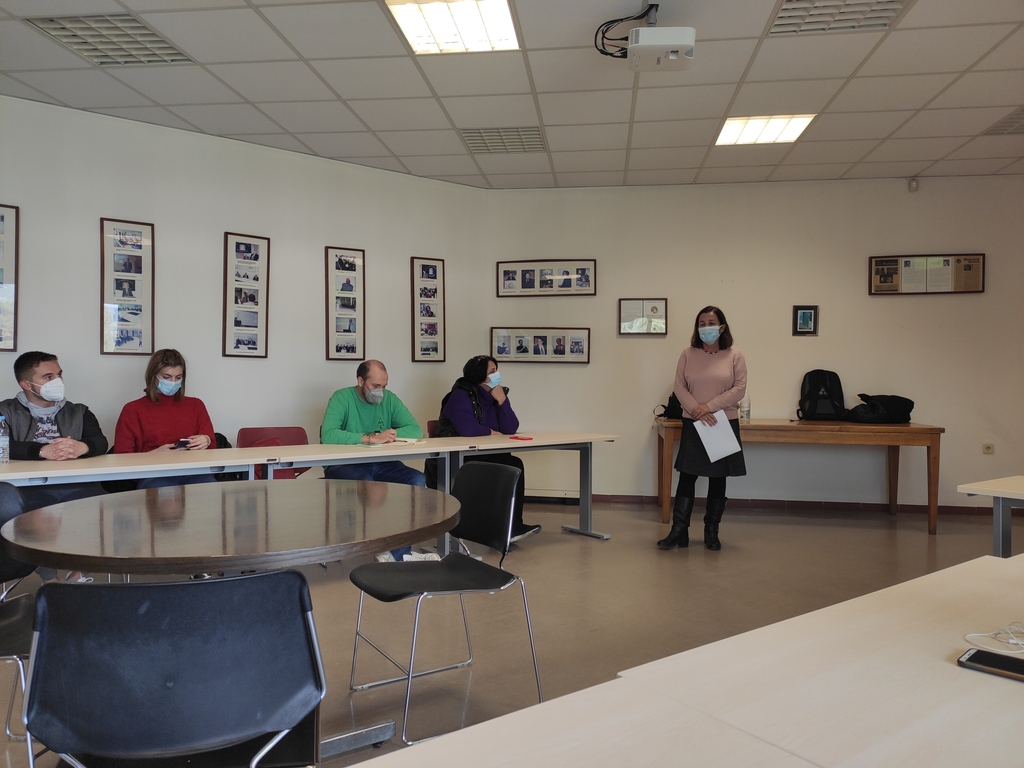
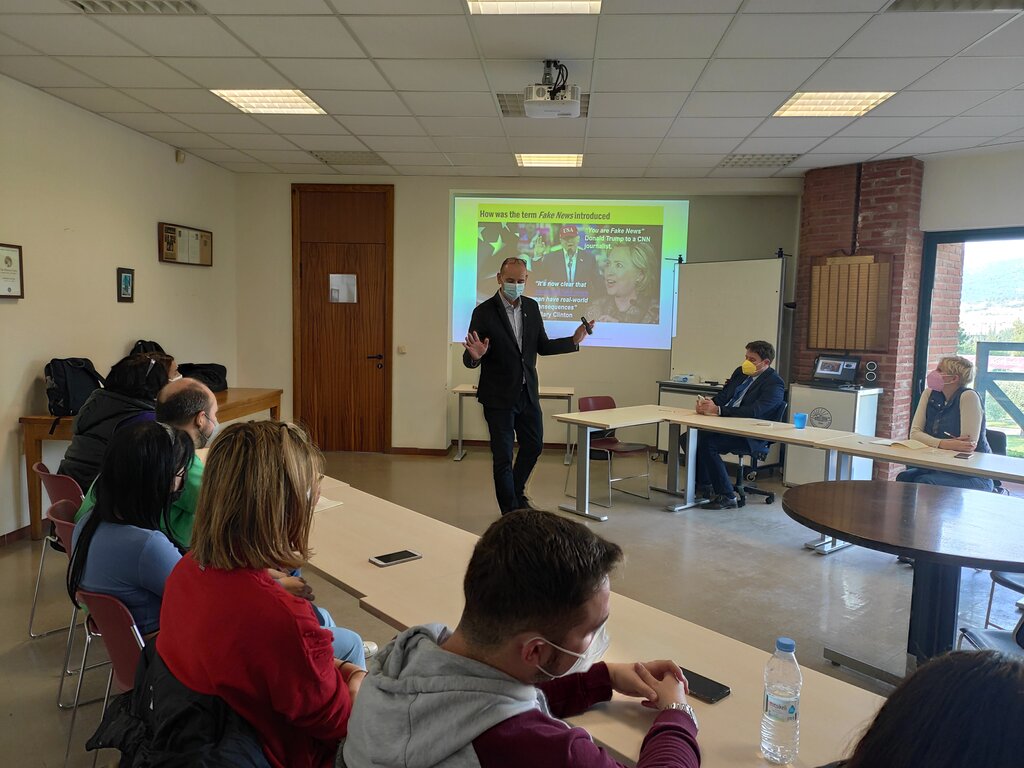
On November 18th, the ACT English Department hosted an open workshop titled “The Challenge of Disinformation” that aimed to expose students to contemporary topics outside the traditional classroom material, such as the pitfalls involved in digital communication. These risks include fake news, distorted information, and purposely false reports.  

Dissinformation workshop 4

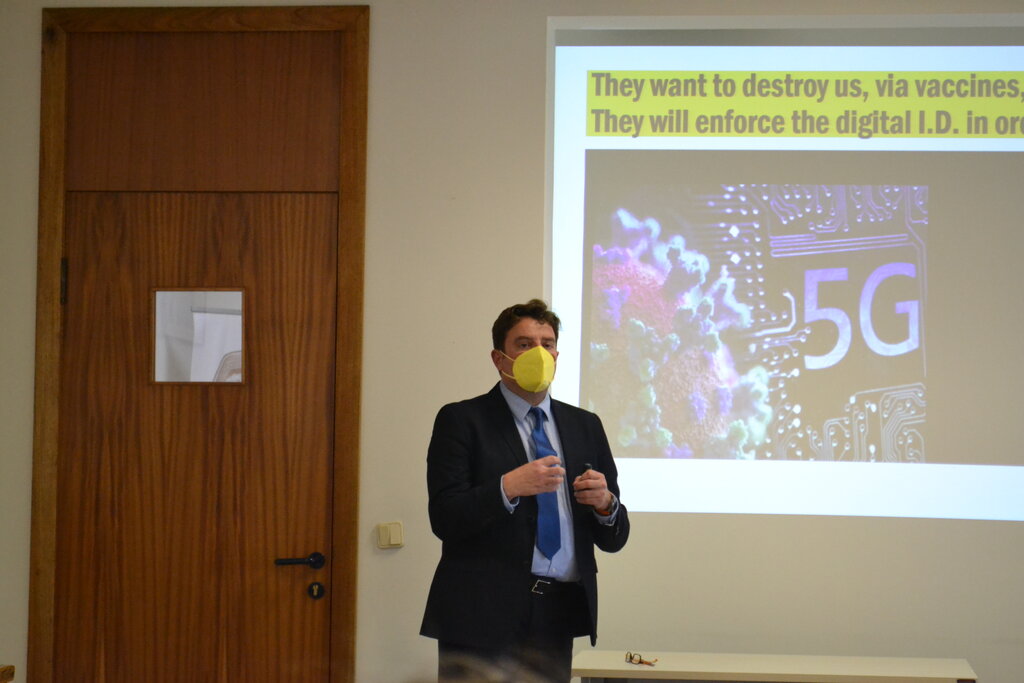
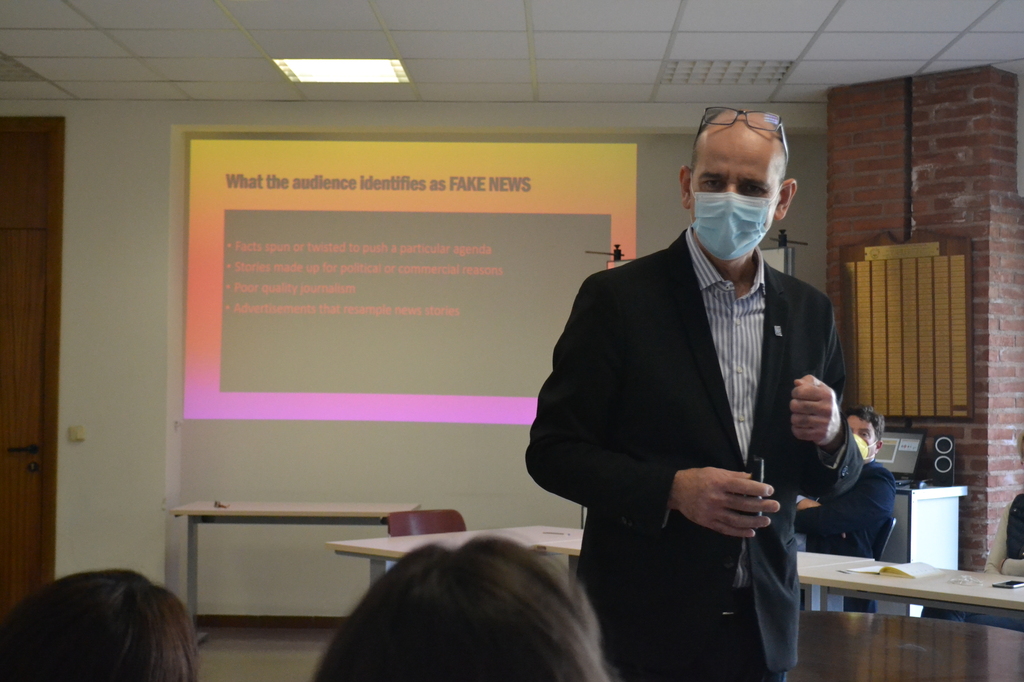
Dr. Eleni Godi, Coordinator of the ACT BA in English, invited the following presenters: Nikos S. Panagiotou, Associate Professor, School of Journalism and Mass Media Communications, Aristotle University, and Head of Digital Communication Network Global, and Yannis Kotsifos, Journalist, Chair of the European Center for Press and Media Freedom, Director General of the Journalists’ Union of Macedonia and Thrace (ESIEMTH) and its Cultural Foundation, and ACT Journalism instructor.

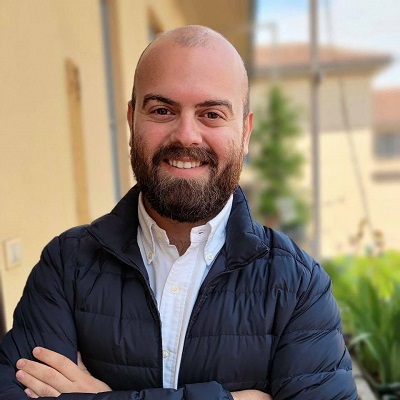
Nikos S. Panagiotou

Dissinformation workshop 8

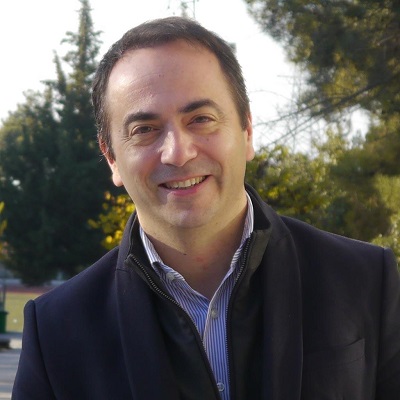
Yannis Kotsifos
Dissinformation workshop 2

The two guests presented the Digital Communication Network, a multi-field coalition forming this continent-spanning network that engages a wide range of participants to tap into the best talent, ideas, and resources to combat disinformation. The organization and its branch, DCN Southeastern Europe Hub, headquartered in Thessaloniki, provides space, tools, and expertise in order to improve the digital and media formats, as well as build resilience to disinformation, in southeast Europe. The goal is to encourage new, independent voices, well-equipped technologically and socially aware, and also generate products, services, and content that cannot be created unless putting minds, creativity, and skills together.

Mr. Kotsifos explained the concepts of disinformation, mal information, and misinformation, how and why they are spread across social media and mainstream news outlets, and the differences between countries, while Professor Panagiotou introduced the “Fake News Hunters”, a volunteer research team from Greece and Romania. The team was formed by the Digital Communication Southeast Europe (DCN SEE) Hub, Forum Apulum and Peace Journalism Lab, Aristotle University of Thessaloniki. The research team started its work in March 2020, during the lockdown period in both countries, to highlight fake news distributed through social media. Greece and Romania share many similarities in the public domain, including the political systems and the public communication sphere as members of the EU and the Southeast European region.

Both guests invited all interested parties who wish to contribute to this initiative to contact them. The workshop itself, as well as the call for future collaboration, are part of a signed agreement between ACT and DCN to work together in activities and initiatives pertaining to the topics presented in the workshop.

Dissinformation workshop 9

More

Let's do business on TikTok!

By

Τετάρτη 15 Δεκεμβρίου 2021, ώρα 18:00, ΖΟΟΜ webinar

Πώς μπορεί ένα brand να εκμεταλλευτεί τις ευκαιρίες που του προσφέρει το TikTok;
Πώς προσαρμόζεται το περιεχόμενο στην πλατφόρμα και ποιες είναι οι δυνατότητες διαφήμισης;

Ο Φάνης Θεοδώρου, Brand Partnerships Manager στο TikTok για την ελληνική αγορά, εξηγεί την επιτυχία τού μέσου και αναλύει πώς μπορείτε να προωθήσετε και εσείς την επιχείρησή σας μέσα από την πλατφόρμα.

Τη συζήτηση συντονίζει ο Θοδωρής Παπανέστορος, Executive Director of Institutional Marketing στο Κολλέγιο Ανατόλια.

Δηλωστε συμμετοχη εδω

Καλεσμένοι

fanis theodorouΦάνης Θεοδώρου
Brand Partnerships Manager - Greece, TikTok
Το TikTok for Business είναι διαθέσιμο στην Ελλάδα εδώ και λίγους μήνες. Ο Φάνης Θεοδώρου, ως Brand Partnerships Manager για την ελληνική αγορά, έχει αναλάβει τις συνεργασίες των agencies και brands με τη δημοφιλή πλατφόρμα. Έχει εργαστεί για σειρά ετών στο Ευρωπαϊκό Κοινοβούλιο στις Βρυξέλλες ως επιστημονικός συνεργάτης για θέματα Επικοινωνίας και Digital. Έχει σπουδάσει Marketing και Επικοινωνία στην Ελλάδα και το εξωτερικό. Η αγαπημένη του φράση είναι: Don’t make ads. Make TikToks.

theopapΘοδωρής Παπανέστορος
Executive Director of Institutional Marketing, Anatolia College

Ο Θοδωρής Παπανέστορος σπούδασε Marketing Management. Έχει εργαστεί στο παρελθόν στα κορυφαία διαφημιστικά δίκτυα TBWA και MullenLowe, καθώς και στην UpSet!.
Σήμερα ανήκει στο δυναμικό του Anatolia College, κατέχοντας τη θέση του Executive Director of Institutional Marketing & PK-12 Enrollment, ενώ παράλληλα διδάσκει Marketing, Digital Marketing, καθώς και Advertising στο ΑCT.

Η σειρά Executive Lounge δημιουργήθηκε από το Lifelong Learning Center του ACT και παρουσιάζει τη δουλειά εκλεκτών καλεσμένων, οι οποίοι μοιράζονται τις απόψεις τους σχετικά με τον κλάδο στον οποίο δραστηριοποιούνται.
More

West Hall

West Hall houses a faculty lounge and the office of the Anatolia University MD, as well as additional classrooms.

360° / VR Tour


17 Sevenidi St.
55535, Pylaia
Thessaloniki, Greece
Tel. +30 2310 398398
P.O.Box 21021
Email: This email address is being protected from spambots. You need JavaScript enabled to view it.